










2024

Yearly Archives

  • Share, , Google Plus, Pinterest,

    Posted in:

    Your guide to girls’ night out on the Coast

    Photography by Victoria Nguyen It’s easy to let precious moments with our closest friends slip through the cracks. But amidst deadlines, responsibilities and the chaos of daily routines, one thing remains essential: girl time. Whether it’s catching up over a glass of wine, crafting together or letting loose on the dance floor, girls’ nights out […]

    Read More

  • Share, , Google Plus, Pinterest,

    Posted in:

    Sensational summer salads

    What’s more refreshing on a hot summer day than a light, tasty salad? Not only can you feel good about all the wholesome ingredients (yay fruits and veggies!), but your meal will leave you satisfied, not stuffed. Not to mention the nearly infinite — and delicious — flavor possibilities, from shrimp and avocado to peaches and pecans. […]

    Read More

  • Share, , Google Plus, Pinterest,

    Posted in:

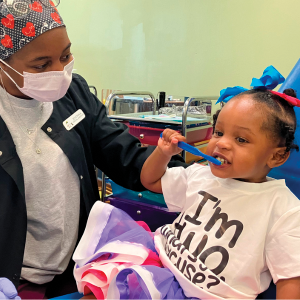
    The tiniest of smiles need TLC, too!

    By Ginger Christian Did you know that May 2 is National Baby Day? Keep the tiny, growing smiles of your babies healthy with these tricks, tips and things you may not know from South Mississippi Smiles! BABY TEETH Baby teeth are temporary, but important. They help your child chew, speak and smile until their “big […]

    Read More

  • Share, , Google Plus, Pinterest,

    Posted in:

    The adventure collector

    Photography by Brandi Stage Portraiture | Hair and makeup by Brooke Soto, Electric Lady Hair Studio For a young girl fascinated by pirates, there are few better places to spend your childhood summers than the beaches and harbors of the Bahamas. When Gulfport native Brittany Wilem Kahler wasn’t snorkeling, fishing or swimming, she was reading everything […]

    Read More

  • Share, , Google Plus, Pinterest,

    Posted in:

    The May Day Project 2024

    Breaking the mental illness silence and bringing hope Behind a brave smile, many of us wage a constant battle against negative thoughts and emotions. Although we may put up a good front and seem “normal” to the outside world, some find it hard to get out of bed and function from day to day. Not […]

    Read More

    Share, , Google Plus, Pinterest,

  • Share, , Google Plus, Pinterest,

    Print

    Posted in:

    Understanding neurodiversity: There’s no ‘right’ way for the brain to work

    By Ericka Biggs

    I always say, “I didn’t just choose social work; it also chose me!” The love I have for mental health was inspired by my son and his continual struggles. He was diagnosed with attention-deficit/hyperactivity disorder (ADHD) and oppositional defiance disorder (ODD) at age 5, and this was challenging for me. Not only did I have to be his mother, but also his therapist and advocate. Undoubtedly, this fueled my desire to better understand him and my passion for helping other parents, guardians and children/adolescents. My primary areas of focus are children and adolescent disorders like ADHD, ODD, autism spectrum disorder (ASD), behavior/conduct disorder, mood disorders and trauma.

    As a mental health professional, my mission is not only to help people develop a better vision and see their lives through a wider lens, but to also create the same opportunity for others to see them from a broader perspective. Life can become blurry when you’re struggling with variations in mental functioning.

    WHAT IS NEURODIVERISTY?

    Neurodiversity is a term characterizing variation in brain function. Neurodivergent individuals have diverse perspectives and responses to the world, which substantiates the premise that there’s no particular “right” way for the brain to work. Neurological or developmental disorders like ADHD and ASD are included under the term neurodivergent.

    Some symptoms of ASD include difficulties in social communication and restricted and repetitious behaviors. ADHD symptoms include inattention, impulsivity and hyperactivity, while ODD symptoms include angry moods, defiance, and struggles with authority. Many times, symptoms can overlap with one another, causing complexity for diagnosing.

    Those diagnosed with neurodivergent conditions often are misunderstood and misconceived by their parents, teachers and peers. It is time to respect and celebrate the differences in the neurodivergent community instead of automatically concluding that “something is wrong.”

    WHAT IS PATHOLOGICAL DEMAND AVOIDANCE?

    Which brings me to the mention of pathological demand avoidance (PDA), an intricate and rare neurodiverse profile that can overlap and interact with other neurodiverse conditions. Although PDA is not formally identified as a mental illness by the Diagnostic and Statistical Manual of Mental Disorders, it nonetheless can have a negative impact on a person’s quality of life and ability to function. PDA has characteristics like demand avoidance and challenges with social cues and creating/maintaining relationships that overlap with ASD and ODD.

    Accepting neurodiversity and promoting understanding can create a more inclusive world where everyone can lead a successful life, regardless of his or her neurological profile


    Ericka Biggs, licensed master social worker, works for Catalyst Counseling and Therapy Services and can be contacted at (228) 284-2644 or at www.catalystcounselingandtherapy.com.


    Read More

    Share, , Google Plus, Pinterest,

  • Share, , Google Plus, Pinterest,

    Print

    Posted in:

    From busy to balanced: a mental health and wellness journey

    By Mavis A. Creagh

    I laid my head on my desk and began to weep as tears streamed down my face.

    I was strong and fearless — but extremely tired. I was signed up to do just about everything, putting in 14-plus hour days on top of being a full-time single mom. However, this year, I have a new motto: Busy to balanced.

    I understand that other factors can contribute to tiredness, but those who say “yes to everyone else and don’t take care of themselves are my focus.

    I am not saying balance happens overnight, but sometimes you must make hard choices. Other aspects such as self-care, coping and stress relief play a role in becoming more balanced, but reducing obligations is extremely beneficial for your mental health and wellness.

    This new season did not come without opposition, even internally, because I was used to always saying “yes.” One of the questions I ask myself now is, “Are you able to take on anything else, and can you let something go?” One of the pitfalls about lacking balance is that you suffer physically, emotionally and spiritually.

    My new mantra this year: “I don’t have the capacity.” It’s short, sweet, honest and to the point.

    Here are some helpful reminders that support a more balanced life.

    1. You matter. Take care of yourself because there is only one you.
    2. It’s okay to say “no,” and it doesn’t make you a bad person.
    3. Boundaries are essential for establishing what is acceptable in relationships and crucial for your wellbeing.
    4. Do the inner work. Healing is a process that begins with you.
    5. Rest — your body, mind and spirit need a break.
    6. Clear vision and established goals help with better attention and a more focused lifestyle.
    7. Meditation — being able to quiet my mind and spirit has helped me be more at peace.
    8. Pursue peaceful encounters. Position yourself naturally and emotionally in places that aid wellness.
    9. Good company is key. Surround yourself with positive people who enhance your wellbeing.
    10. Make a point to set aside time for yourself. Empty cups pour no juice!

    This is all new for me, but I prefer balance over busyness any day.


    Mavis A. Creagh is executive director of the nonprofit R3SM, Inc. (Recover, Rebuild, and Restore Southeast MS). She is president of NAMI Pine Belt (MS) affiliate. Reach her at mavis.creagh@r3sm.org, or learn more about NAMI Mississippi at namims.org.

    Read More

    Share, , Google Plus, Pinterest,