


By Dr. Christopher Palmer
Our winters may be mild compared to other regions, but the frosty air and slick sidewalks still make staying indoors tempting. Don’t let the drop in temperature sideline your fitness routine! With a little prep and the right gear, you can keep your outdoor workouts strong this winter.
Exercising successfully in chilly weather centers on two key components: comfort and safety. If you’re cold and miserable, consistency fails. More importantly, failing to take precautions increases the risk of injury and illness. Combat both factors by applying the following tips for exercising in cold conditions.
COMFORT IS KEY
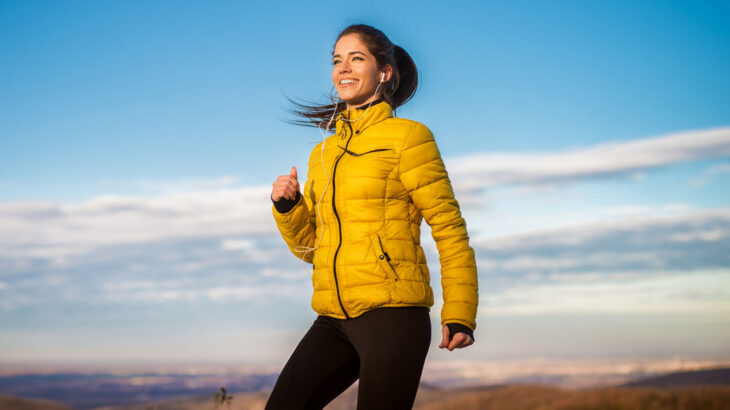
• Dress for success: Layering is your best friend, allowing you to shed layers as you build body heat. Start with a moisture-wicking base layer, add an insulating middle layer and finish with a waterproof outer layer.
Choose fabrics like polypropylene or wool over cotton to prevent moisture buildup. Don’t forget to protect your extremities with gloves, a neck gaiter, a headband or hat and water-resistant shoes to keep your feet warm and dry.
• Time your activity: Check the forecast, including wind chill, and avoid exercising when it’s too cold. You might need to move an early morning workout to later in the day on particularly cold or wet days.
• Hydrate correctly: It’s easy to overlook hydration during the colder months, as you may not feel as thirsty. This oversight can quickly lead to fatigue. Make sure you stay properly hydrated before, during and after each workout.
SAFETY FIRST
• Warm up and cool down: Reduce your injury risk with a structured warmup. Five to 10 minutes of dynamic exercises before heading out can make all the difference. End your workout with the same time spent cooling down by walking and stretching.
• Adapt to the terrain: Icy or wet surfaces increase the risk of falls and injuries. Pay close attention to where you step or ride, and modify your speed if necessary.
• Be visible: Always wear bright or reflective clothing to ensure you’re visible to traffic. Use a headlamp to spot hazards in low-light or dark conditions.
• Pay attention to warning signs: Unusual fatigue, shivering and numbness can signal hypothermia, which can occur even in our generally mild winters. Listen to your body and head indoors immediately if you feel unwell.
Of course, you never should risk your health in severe weather; switch to indoor activities until conditions improve. Likewise, avoid exercising when you’re sick. It’s always better to rest up and recover completely before resuming your workouts.
Dr. Christopher Palmer practices orthopedic surgery at Ochsner Health Center – Shepherd Square. Contact him at (228) 220-5200 or visit ochsner.org/doctors/christopher-palmer/.