


By Dr. Jessica Fawer
If your eyes feel tired after a day on the computer, you’re not alone. Our increasingly digital lifestyles have made dry eye one of the most common problems eye doctors see today.
Surprisingly, one of the most common symptoms of this condition is excessive tearing. If your eyes frequently burn, water or feel gritty, or your vision comes and goes throughout the day, you may be one of nearly 50 million Americans living with dry eye disease.
While many people assume it’s simply part of getting older, dry eye is a chronic condition that can significantly affect comfort, vision and quality of life — even in younger patients.
WHAT’S BEHIND DRY EYE?
The two most common causes of dry eye are meibomian gland dysfunction (MGD) and aqueous deficiency. The meibomian glands in your eyelids produce the protective oil layer of your tears. When these glands become blocked, tears evaporate too quickly. Aqueous deficiency occurs when your eyes don’t produce enough of the watery portion of tears, often due to inflammation or medical conditions such as Sjögren’s syndrome.
Our digital lifestyles have made dry eye more common than ever. Staring at computers, tablets and smartphones causes us to blink less often and less completely, allowing tears to evaporate faster.
FINDING RELIEF
Most patients begin treatment with artificial tears, warm compresses, eyelid scrubs or prescription eye drops. While these treatments can provide relief, they often require daily use and may not address the underlying cause, especially when blocked oil glands are the problem.
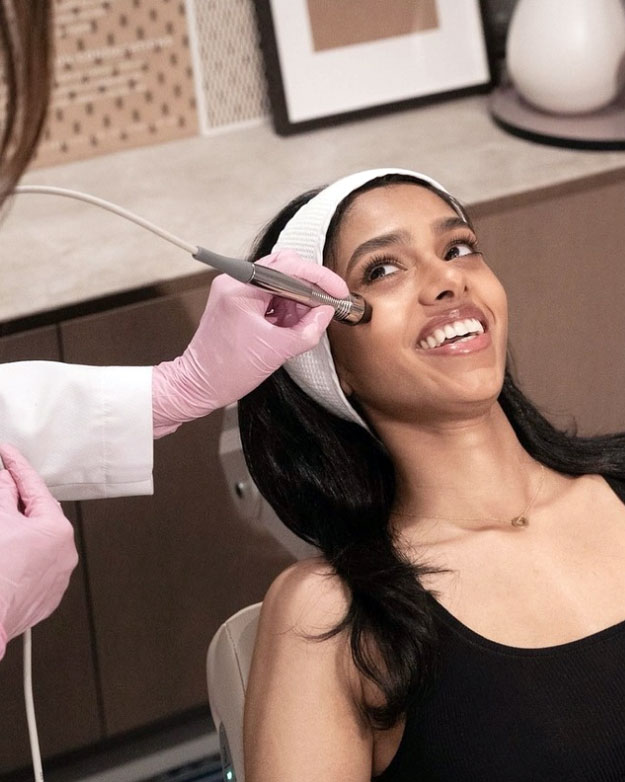
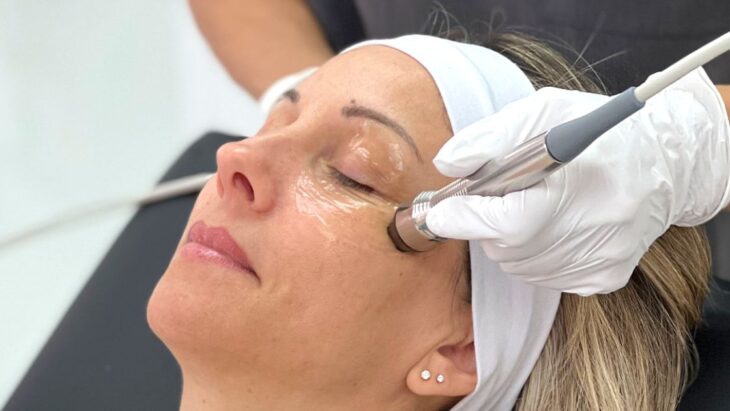
Fortunately, newer in-office treatments are changing how we manage dry eyes. Radiofrequency (RF) gently warms the eyelids to melt thickened oils and improve gland function, while Intense Pulsed Light (IPL) reduces inflammation and treats abnormal blood vessels commonly associated with ocular rosacea.
Together, these therapies can restore healthier tear production and provide longer-lasting relief for many patients. As an added benefit, RF and IPL have long been used in aesthetic medicine, so many patients also enjoy smoother skin and a reduction in the appearance of fine lines, facial redness and unwanted pigmentation.
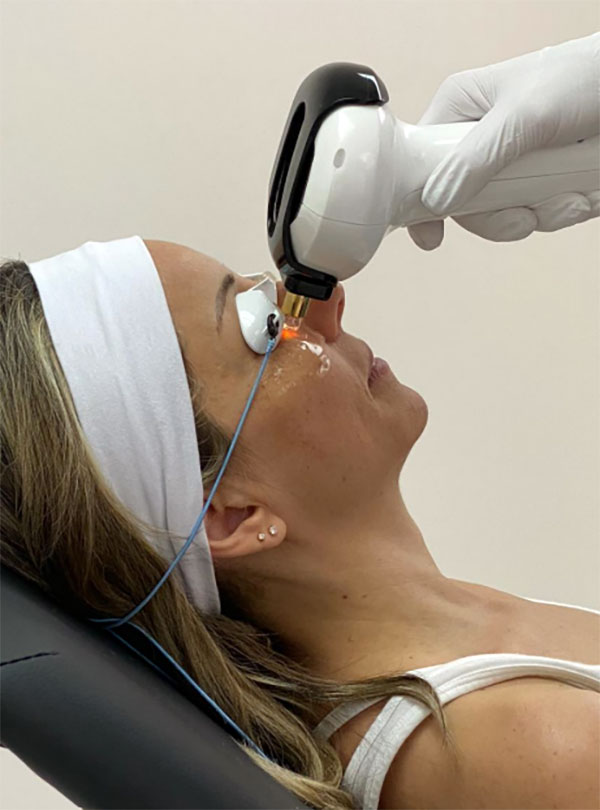
If your eyes are constantly irritated or you’re relying on artificial tears several times a day, don’t assume it’s something you simply have to live with. A comprehensive dry-eye evaluation can identify the cause of your symptoms and determine whether advanced treatments like RF and IPL could help you see more comfortably.
Dr. Jessica Fawer is the owner of Visionary Family Eye Care in Pass Christian. Reach her at fawer@visionaryfec.org or (228) 285-0150.