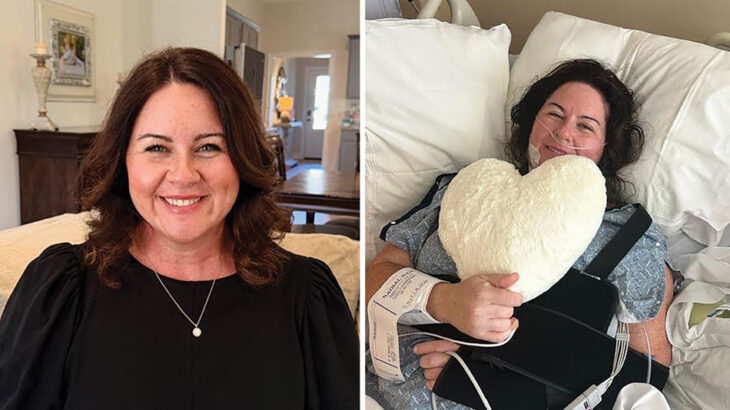
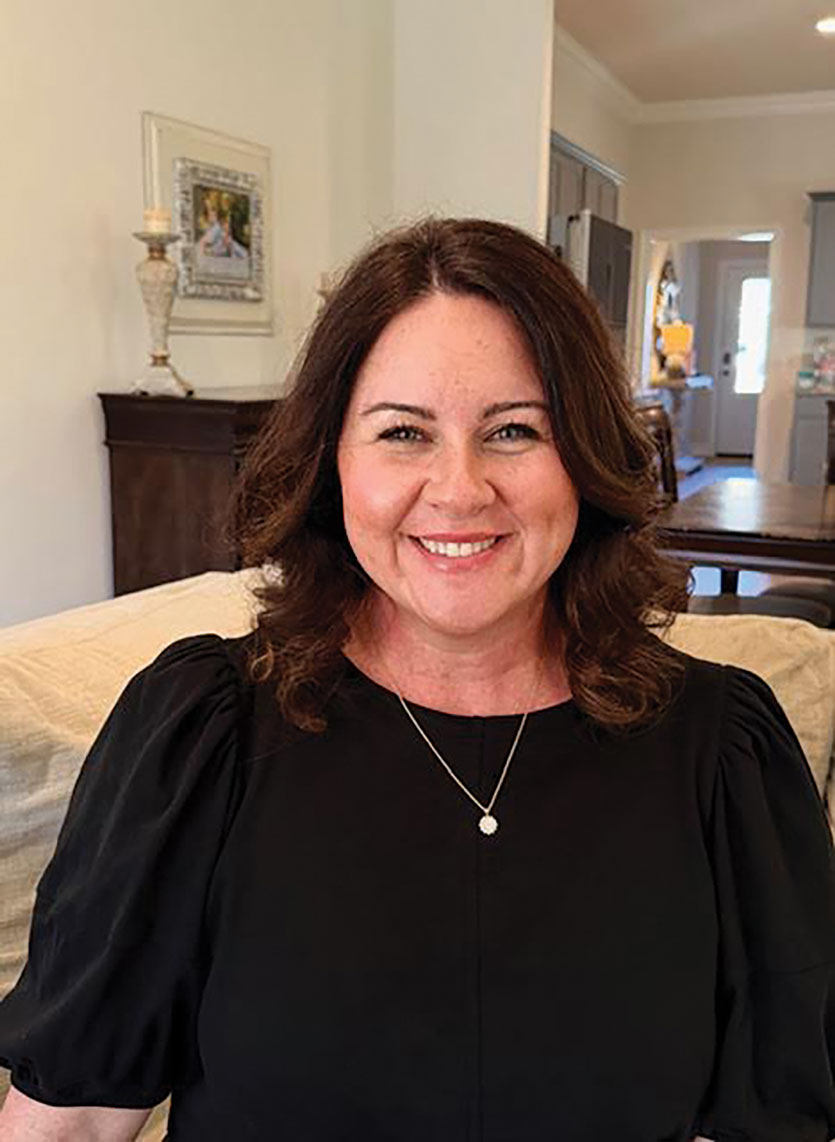
Melissa Byars is a lifelong Mississippi Gulf Coast resident who has lived in Biloxi for the past 15 years. She’s been married to her husband, Wayne, for 22 years, and they have two children: 20-year-old Judson and 17-year-old Claire.
MY HEALTH CHALLENGE
I don’t remember anything from that day or the days that followed, but my family and doctors have filled in the gaps for me.
On June 1, I suddenly went into cardiac arrest at home. My husband was sitting right next to me and immediately called 911 and performed CPR — saving my life. I coded five times, once at home and four times at the hospital. The last time took the longest to revive me. I was posturing and showing signs of brain damage. I also developed pneumonia. My family was told to prepare for the worst.
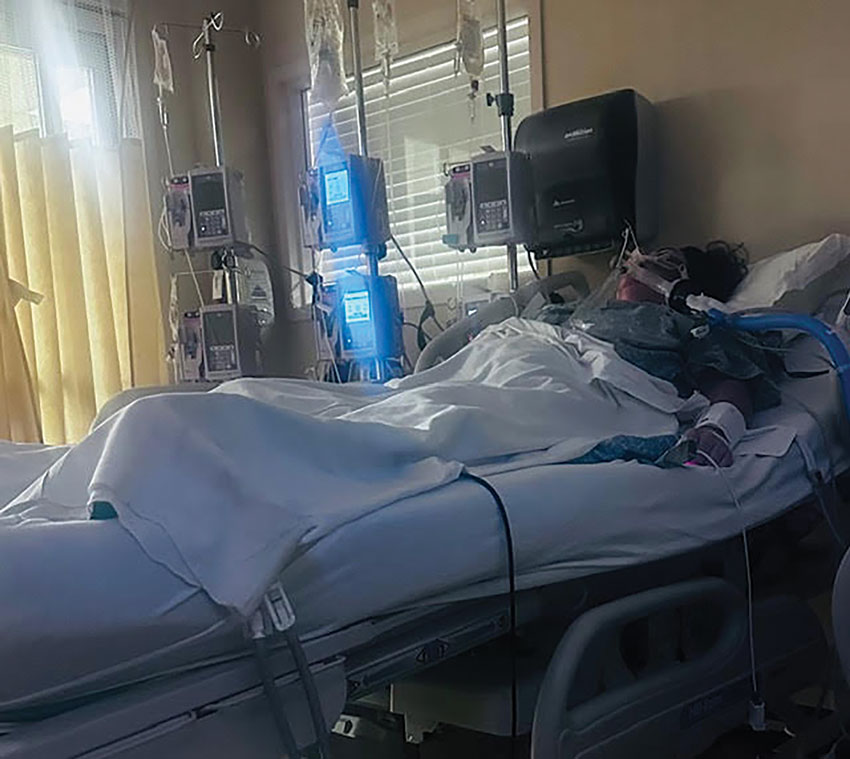
After two days on a ventilator, I began responding to my son by squeezing his hand. I was removed from the ventilator and regained consciousness, with some short-term memory loss. My husband said it was like the movie “50 First Dates.”
It since has been explained to me that my cardiac arrest wasn’t caused by a heart attack. It was caused by my heart rhythm changing into torsade’s, which led to v-fib and stopped my heart. The cause was a combination of some medications I was taking that lengthened my QT and a blood pressure medication with a diuretic that drained my potassium. My electrolytes were very low.
MY APPROACH
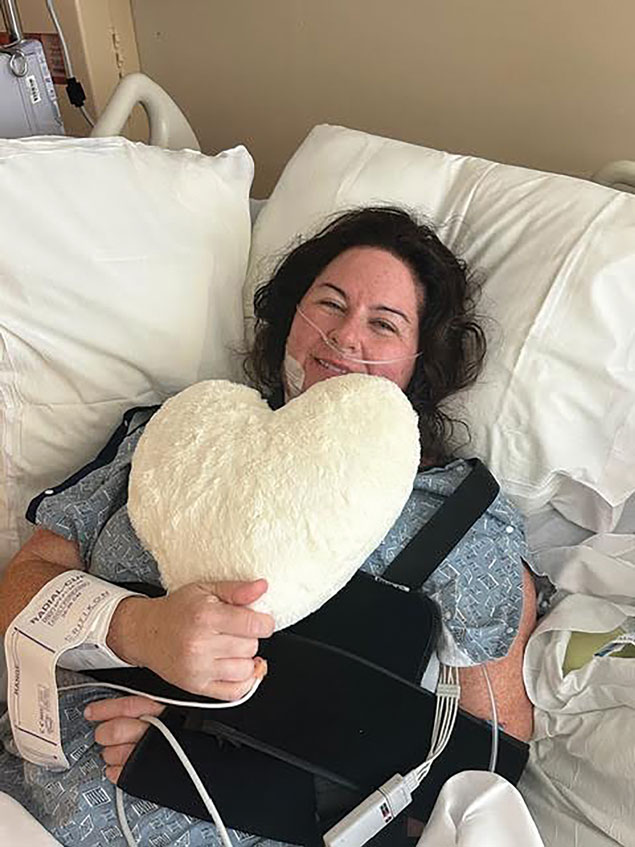
After the six days I spent in the hospital, I returned home, and for the next week, I was able to rest and regain some strength. The following week, I returned to work part time, and then I was back full time. I had visitors and went to lunch with friends and family. I was determined to help my memory and brain recover and get back to normal as quickly as possible.
MY TREATMENT
I am now taking beta blockers and Entresto to help strengthen my heart, and I have stopped taking certain medications that potentially could have contributed to my cardiac arrest. I also am taking electrolytes daily.
THE HARDEST PART
The hardest part to overcome physically was my cracked ribs from the CPR. It was very painful for several weeks. And although I am grateful for it, I had to get used having an ICD (defibrillator).
The hardest part emotionally was realizing the grief and fear this event had caused my husband and kids. They went through a lot. I was not expected to live.
MY ADVICE TO OTHERS
My advice would be to make sure you are knowledgeable about what medications you are prescribed, the side effects and how they interact with each other. In my case, there were no symptoms or warning signs. I had a storm brewing inside of me that I had no idea about.
WHAT LIFE IS LIKE NOW
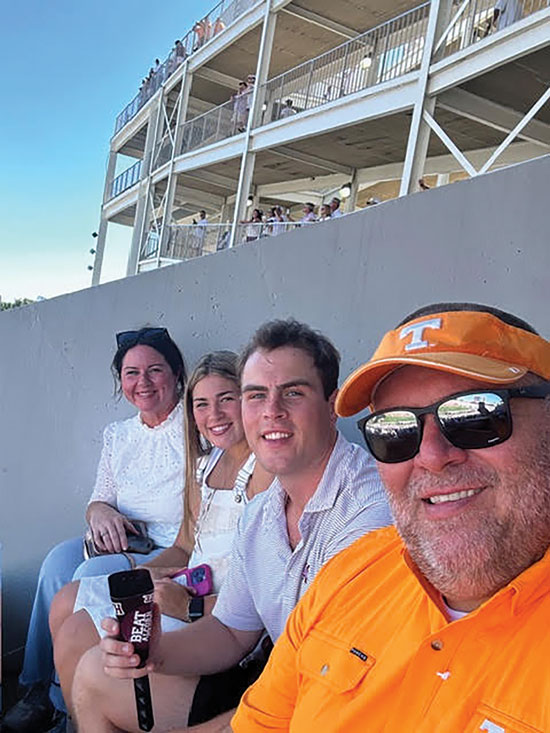
It truly is a miracle that I am alive. I’ve always been healthy, never missing a yearly checkup. I turned 50 in January having barely been sick a day in my life, so for something like this to happen felt unreal. Today, I have a defibrillator as a safety net in case my heart ever goes into that rhythm again.