


By Meghan Dye

We obsess over cardiovascular fitness and building muscle, but we rarely spare a thought for the frame that holds it all together. Just like muscles, bones are living tissues that constantly regenerate. This process keeps bones strong, but breakdown begins to outpace new bone formation as we age. For women entering perimenopause and menopause, this shift is especially dramatic as the hormones that protect our bones decline.
ESTROGEN’S ROLE IN BONE HEALTH
Estrogen plays an essential role in regulating bone turnover, ensuring that new bone formation keeps pace with old bone removal. By supporting bone-building cells (osteoblasts) and keeping bone-resorbing cells (osteoclasts) in check, estrogen serves as a shield against bone loss.
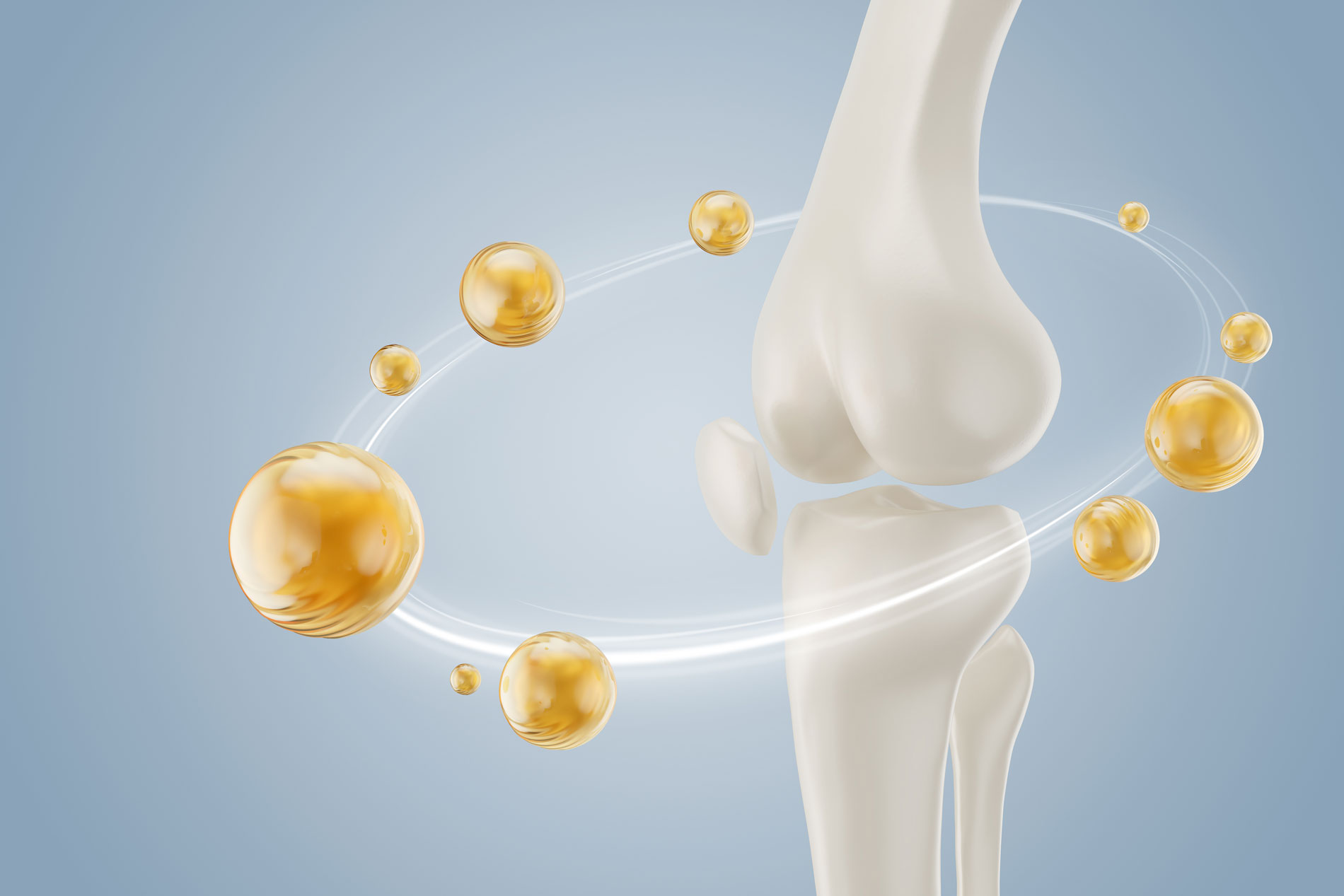 While bone density naturally peaks around age 30 before declining for both sexes, the menopause transition dramatically accelerates this decline for women. As estrogen levels drop, the rate of bone loss accelerates, leading to a loss of up to 20% of bone density in the years immediately following menopause. Bones become weaker, and the risk for osteoporosis increases significantly.
WHY STRENGTH TRAINING IS VITAL
As the natural “estrogen shield” fades, strength training becomes a crucial intervention for preventing bone loss. Placing bones under weight-bearing stress stimulates osteoblasts to build new bone cells. By regularly signaling this growth, you can maintain or even increase bone density. Strength training also builds muscle mass and improves balance, drastically reducing the risk of falls, which are a leading cause of fractures in patients with osteoporosis.
OTHER WAYS TO PREVENT OSTEOPOROSIS
Exercise isn’t the only way to protect against bone loss and lower your risk of osteoporosis. Diet, lifestyle habits and hormone replacement all can play a role in keeping your bones healthy. Key interventions to consider include:
- Hormone replacement: Talk to your doctor to see if menopausal hormone therapy (MHT) is right for you.
- Calcium intake: Aim for 1,000 milligrams daily if you are under 50 years old, or 1,200 milligrams if you are over 50 or postmenopausal.
- Vitamin D: Most people produce enough vitamin D from sun exposure, but levels can be boosted by consuming fatty fish, eggs and fortified milk.
- Lifestyle choices: Avoid smoking and excessive drinking, as both can decrease bone health.
- Staying active: Reduce sedentary time to complement your weight-bearing exercise regimen.
WHY YOU SHOULD START NOW
The greater your bone density is heading into menopause, the lower your chance of developing osteoporosis. Prioritizing a nutrient-rich diet, consistent strength training and healthy lifestyle habits now will help protect your bones and keep you break-proof for life.
Meghan Dye, board-certified women’s health nurse practitioner, practices obstetrics and gynecology at Ochsner Center–Hancock. Reach her at (228) 220-5200 or visit ochsner.org to learn more.