


By Dr. Dawn Hansen and Brayden Jolley
PSORIASIS
Psoriasis affects roughly 8 million Americans. It occurs when the immune system mistakenly speeds up the skin cell growth cycle, causing cells to pile up on the surface as thick, scaly patches. It is not contagious. It also is not curable, but it is very treatable.
What to know:
- It can appear anywhere on the body, including the scalp, nails and joints.
- Stress, illness, certain medications and skin injury can trigger flareups.
- Treatments range from topical creams to biologics that target the immune pathways driving the condition.
- Psoriasis also is linked to an increased risk of cardiovascular disease and psoriatic arthritis, so whole-body care matters.
ECZEMA (ATOPIC DERMATITIS)
Eczema is one of the most common chronic skin conditions, affecting both children and adults. It causes the skin barrier to function poorly, leaving skin dry, inflamed and intensely itchy. For many women, it worsens with hormonal shifts, seasonal changes or stress.
What to know:
- Common triggers include fragrances, certain fabrics, sweat, heat and environmental allergens.
- Consistent moisturizing is one of the most effective daily management tools.
- Prescription options include topical steroids, non-steroidal creams and newer biologic treatments that have transformed care for moderate to severe cases.
- Scratching worsens the cycle. Breaking it requires both skin care and sometimes treating the itch itself.
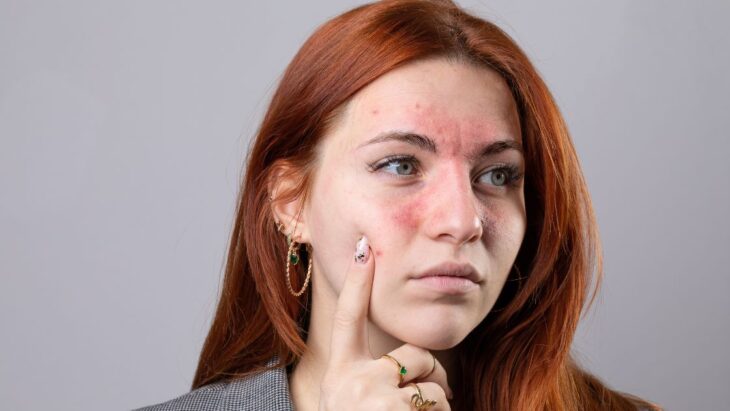
ROSACEA
Rosacea is a chronic inflammatory condition that primarily affects the face, causing persistent redness, visible blood vessels and sometimes acne-like breakouts. It is more common in women and in people with fair skin, though it affects all skin tones.
What to know:
- Common triggers include sun exposure, heat, spicy foods, alcohol and emotional stress.
- Many women go years thinking they just “flush easily” before receiving a diagnosis.
- Sun protection is a cornerstone of rosacea management year-round.
- Treatments include topical and oral medications and laser or light therapies to address visible vessels and redness.
HIDRADENITIS SUPPURATIVA (HS)
HS is one of the most underdiagnosed and misunderstood chronic skin conditions. It causes painful, recurring lumps and abscesses in areas where skin rubs together, such as the underarms, groin and under the breasts. It disproportionately affects women and often is mistaken for ingrown hairs or infections for years before a correct diagnosis is made.
What to know:
- HS is not caused by poor hygiene. It is an immune-mediated inflammatory disease.
- It significantly impacts quality of life and is associated with higher rates of depression and anxiety.
- Early diagnosis and treatment can slow progression and reduce scarring.
- A dermatologist familiar with HS is essential. There are now FDA-approved biologic therapies specifically for HS.
VITILIGO
Vitiligo occurs when the immune system attacks the melanocytes, the cells responsible for skin pigmentation, causing smooth, white patches to appear on the skin. It can affect any area of the body and is more visible in people with deeper skin tones, although it affects all ethnicities.
What to know:
- Vitiligo is an autoimmune condition, not a hygiene or contagion issue.
- Sun protection is critical, as depigmented skin burns more easily.
- Treatment options include topical medications, light therapy and a newer FDA-approved topical JAK inhibitor that can help restore pigment in some patients.
- The psychological impact of vitiligo is real. Support and community matter as much as treatment.
THE COMMON THREAD
Every condition listed above shares something important: They are rooted in immune-system dysfunction, not personal failure. They are chronic, meaning they require ongoing management rather than a single fix. And they are all conditions where early, accurate diagnosis leads to better outcomes.
If something on your skin has persisted for weeks, keeps coming back or is affecting your daily life, that is reason enough to see a board-certified dermatologist. You deserve answers, a real diagnosis and a treatment plan built around you.
Dr. Dawn Hansen and Brayden Jolley, DNP, FNP-C, are providers at Dermatology Specialists of Mississippi. To contact her or learn more, call (228) 207- 5140 or visit mydermspecialists.com.