


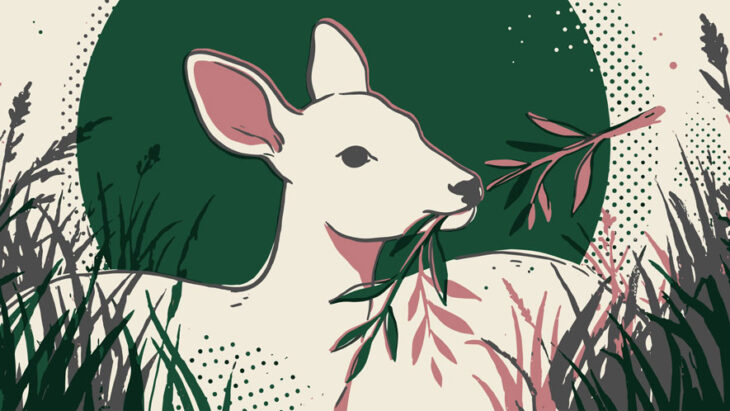
In 2025, estimates of Mississippi’s deer population reached 1.6 to 1.75 million. With an average density of 33 per square mile, the deer density for our state is the highest in the southeastern United States.
Whitetail deer are prevalent along the Coast, and some subdivisions are considered deer sanctuaries. Their populations have exploded to the point of disaster for gardens, lawns and motorists.
Without culling deer populations, starvation, disease and unprecedented winter weather are the only means of suppression. As deer numbers increase, homeowners and farmers are looking for ways to protect their crops, gardens and lawns.
Some effective deterrents include 8-foot-high fences, mechanical systems and shrubs and flowers that deer do not like to eat. If you’re trying to prevent your garden from becoming a buffet, consider incorporating some deer-resistant plants to keep the wildlife at bay.
CHARACTERISTICS OF DEER-RESISTANT PLANTS
Deer tend to avoid plants that have:
- Strong scents: Aromatic plants like lavender and marigolds are less appealing to deer.
- Tough or prickly textures: Plants with hairy or spiny foliage can deter deer from browsing.
- Toxic compounds: Some plants are unpalatable or harmful to deer, making the animals less likely to eat them.
DEER-RESISTANT PLANTS RECOMMENDED FOR THE COASTAL AREA
- Lavender (lavandula): Known for its fragrant flowers and foliage, lavender is a popular choice that deer typically avoid due to its strong scent.
- Texas sage (Leucophyllum frutescens): This drought-tolerant shrub has silvery-gray foliage and vibrant purple flowers, making it both beautiful and deer-resistant.
- Marigolds (tagetes): All varieties of marigolds are known for their pungent scent, which deters deer. Signet marigolds, in particular, have a lighter citrusy smell.
- Creeping juniper (juniperus horizontalis): This low-growing evergreen is an excellent ground cover that deer tend to avoid.
- Coneflower (echinacea): These hardy perennials are not only attractive but also generally avoided by deer.
- Creeping Thyme (thymus serpyllum): A resilient ground cover that thrives in hot conditions and typically is left alone by deer.
- Floss flower (ageratum): The rough-textured foliage and clusters of lavender-blue flowers help keep deer at bay.
ADDITIONAL TIPS
- Planting strategy: Consider grouping deer-resistant plants together and placing them near more vulnerable plants to create a protective barrier.
- Monitoring: Keep an eye on deer activity in your area, as hungry deer may still sample plants they usually avoid, especially during food shortages.